Retail glass that still sells
Storefront Window Film for Jacksonville Shops and Restaurants
Shop glass is asked to do two things at once. It has to show the merchandise to people driving past, and it has to stop the Florida sun from roasting that merchandise and the people selling it. Film can handle the sun while leaving the view alone.
 Jacksonville
Storefront Glass Along Jacksonville's Retail Corridors
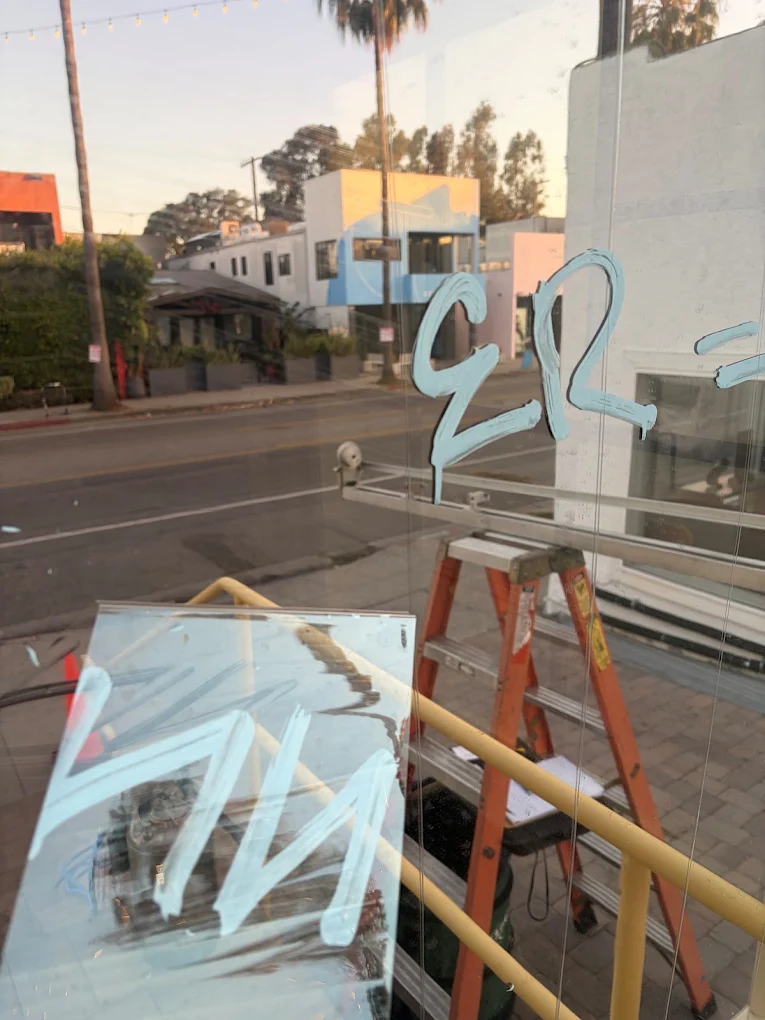
Most retail glass in Jacksonville sits in front of a parking lot. Strip centers on Beach Boulevard, Atlantic Boulevard, San Jose Boulevard, Philips Highway and Blanding Boulevard put a wall of glass behind rows of asphalt that bake all afternoon and throw heat and glare back at the building. A west-facing bay in one of those centers can be uncomfortable by two o'clock from May to October.
The walkable districts are different. Five Points and King Street in Riverside, St. Johns Avenue in Avondale, San Marco Square and the town center at Atlantic and Neptune beaches have older storefronts with tall single-pane display windows that sit right on the sidewalk. They get less parking-lot glare but often take direct sun with no awning at all.
Solar Film That Keeps Merchandise Visible
The right storefront film is light enough that the display reads clearly from the curb and the parking lot. Heavily tinted or mirrored glass makes a shop look closed. We usually recommend a neutral, low-reflectance solar film that rejects a good share of heat and blocks most UV while keeping visible light high, so the windows still look like windows.
For a restaurant with a sunny patio wall or a salon with chairs facing west, a slightly stronger film may be worth the small loss in brightness. We show samples on the glass at the hour the sun is worst so the owner can see how the shop looks from outside.
UV Film to Slow Fading on Retail Displays
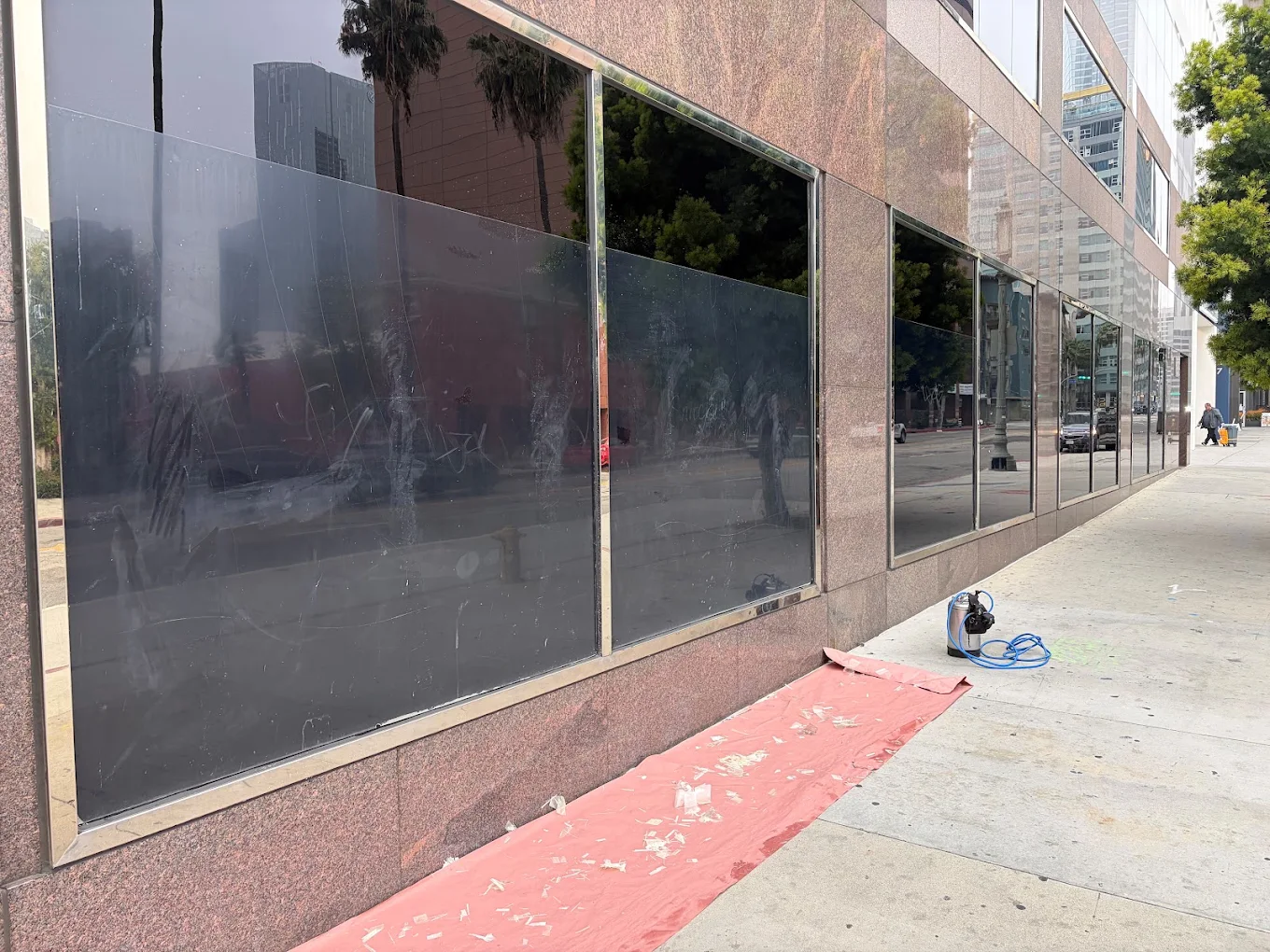
Clothing, books, art, furniture, packaged goods and signage all fade in Florida sun. Boutiques in Avondale and San Marco, furniture showrooms on Philips Highway and gift shops on St. George Street in St. Augustine lose money to sun-bleached stock every year. UV-blocking film slows that process across the whole window, which means less markdown merchandise and fewer replaced displays.
Even with film, rotating stock in the sunniest windows is a good habit. Hanging garments sideways to the glass rather than facing it also helps, since the front panel takes the brunt of the light. Shops with awnings get some help at midday, but early and late sun slips under most awnings. Film reduces the damage rate; it does not stop it entirely.
- Clothing and textiles
- Books, prints and packaged goods
- Furniture and home decor
- Printed signage and posters
Storefront Film, Landlords and Window Signage
Many retail tenants lease their space, and the landlord or center management usually controls changes to the storefront glass. Center owners tend to insist on one consistent glass color across the whole row of tenants. We provide the product data and a sample for approval and match an existing center standard when one exists.
Frosted graphics, logos and hours on the glass are often handled at the same visit. Local sign rules can limit how much of a storefront window may be covered, so check with the landlord or the city before planning a full-coverage graphic.
Scheduling Storefront Window Film Around Business Hours
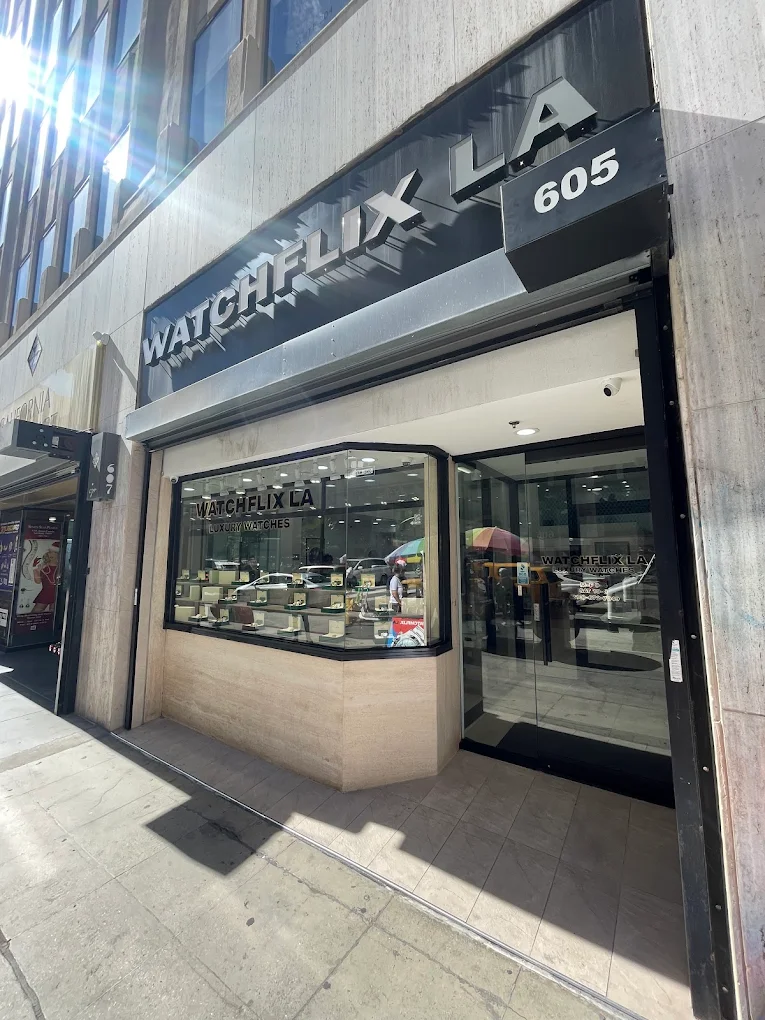
Retail glass is usually filmed before opening, after closing or on a slow weekday. A typical single storefront is done in a few hours. Larger stores and restaurants can be phased by section so the business stays open. Display windows need to be cleared before we start.
If security or graffiti is also a concern, security film or anti-graffiti film can be layered or installed at the same visit. See those pages for details.
What Storefront Window Film Does for Jacksonville Businesses
Cooler Sales Floors Behind Storefront Glass
Less sun energy through the display glass means the first few aisles stop feeling like a greenhouse. West-facing bays in strip centers see the biggest change on summer afternoons.
Storefront Film Slows Merchandise Fading
Blocking most UV keeps display goods looking new longer. Fewer faded items means fewer markdowns and less time rotating stock out of the sunny windows.
Clear Window Displays From the Curb
Neutral, low-reflectance film keeps the shop looking open and the displays readable from the sidewalk and parking lot, which is the reason the glass is there.
Less Glare on Registers and Screens
Reduced brightness at the window helps staff read point-of-sale screens and helps diners near the glass. Restaurants with sunny booths notice it quickly.
Questions Jacksonville Retailers Ask About Storefront Film
Could tinted glass make customers think we are closed?
Dark film can. The products we use on shops avoid that. Neutral, low-reflectance products keep visible light high, so displays stay readable from outside. Dark or mirrored films are what make stores look closed.
Does my landlord need to approve storefront film?
Usually. Leases and shopping center rules often control exterior appearance. We provide product data and a sample for the approval request.
Can you install before we open?
Yes. Crews often arrive at dawn, finish before the first customer arrives, and leave the glass drying behind the open sign. Single storefronts often take only a few hours.
Can film be combined with our logo or hours on the glass?
Yes. Cut vinyl graphics and frosted logos can be added at the same visit. Check local sign rules before covering large areas of glass.
Window film quote
Storefront Window Film Quotes for Jacksonville Retail
Include the shop address, which way the front faces and roughly how wide the glass runs when you fill out the quote form. If the center has written rules on storefront film, say so, and we will request them during the follow-up.