
Sun-blocking film for hot rooms
Heat Control Window Film in Jacksonville
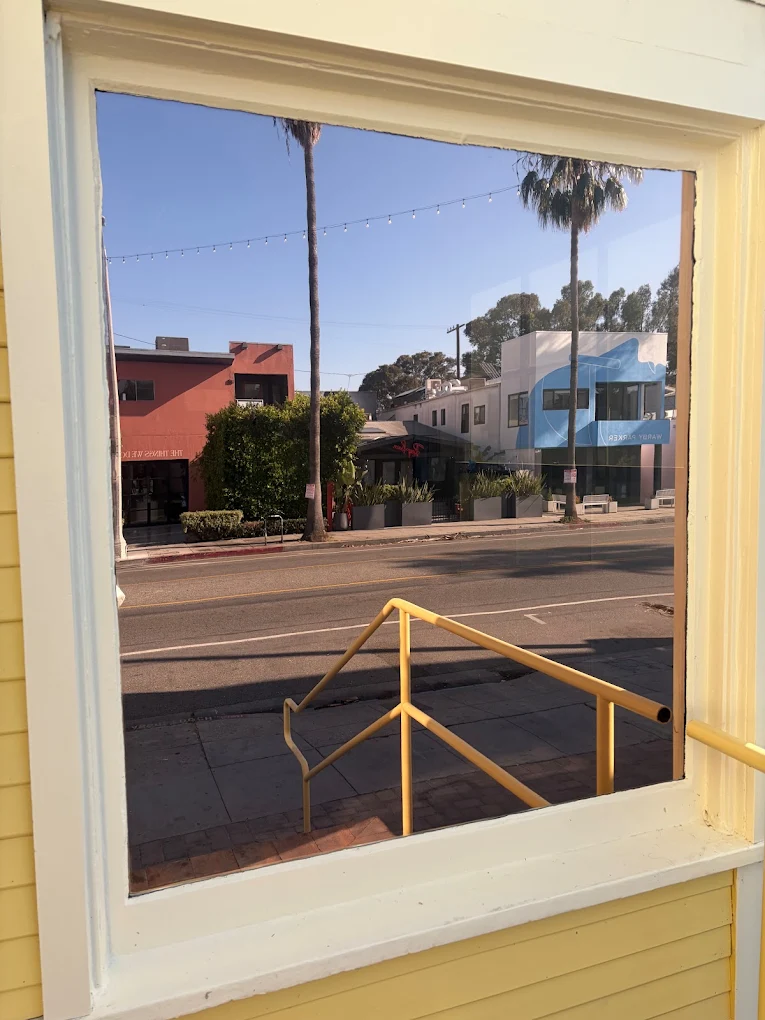
Finding the hot room in a First Coast house takes about ten seconds. It is the one with west glass, a river view or an oceanfront slider, and it is still stuffy at bedtime when the hallway feels fine. Heat control film goes on that glass.
 Jacksonville
Why Some Jacksonville Rooms Stay Hot Despite the AC
A central air system cools a house as one big box, but solar heat arrives one window at a time. On a July afternoon in Jacksonville, a few large west-facing panes can let in enough sun to overwhelm the airflow serving that room. The thermostat in the hallway reads fine, the system cycles off, and the bedroom at the end of the hall keeps climbing.
Humidity makes it worse. Florida air conditioners spend part of their effort removing moisture, so they run longer than the same unit would in a drier place. Any extra heat coming through glass stretches that runtime further. Film reduces the solar load at the window, which helps the room and the system at the same time.
Heat Control Window Film for River and Ocean Views
Water doubles the sun. Houses and condos along the St. Johns in San Marco, Ortega and Mandarin get direct light plus reflection off the river, and the reflected light comes in low, under eaves and awnings. On the coast, oceanfront glass from Atlantic Beach to Ponte Vedra faces east into an unshaded sunrise and a long, bright morning.
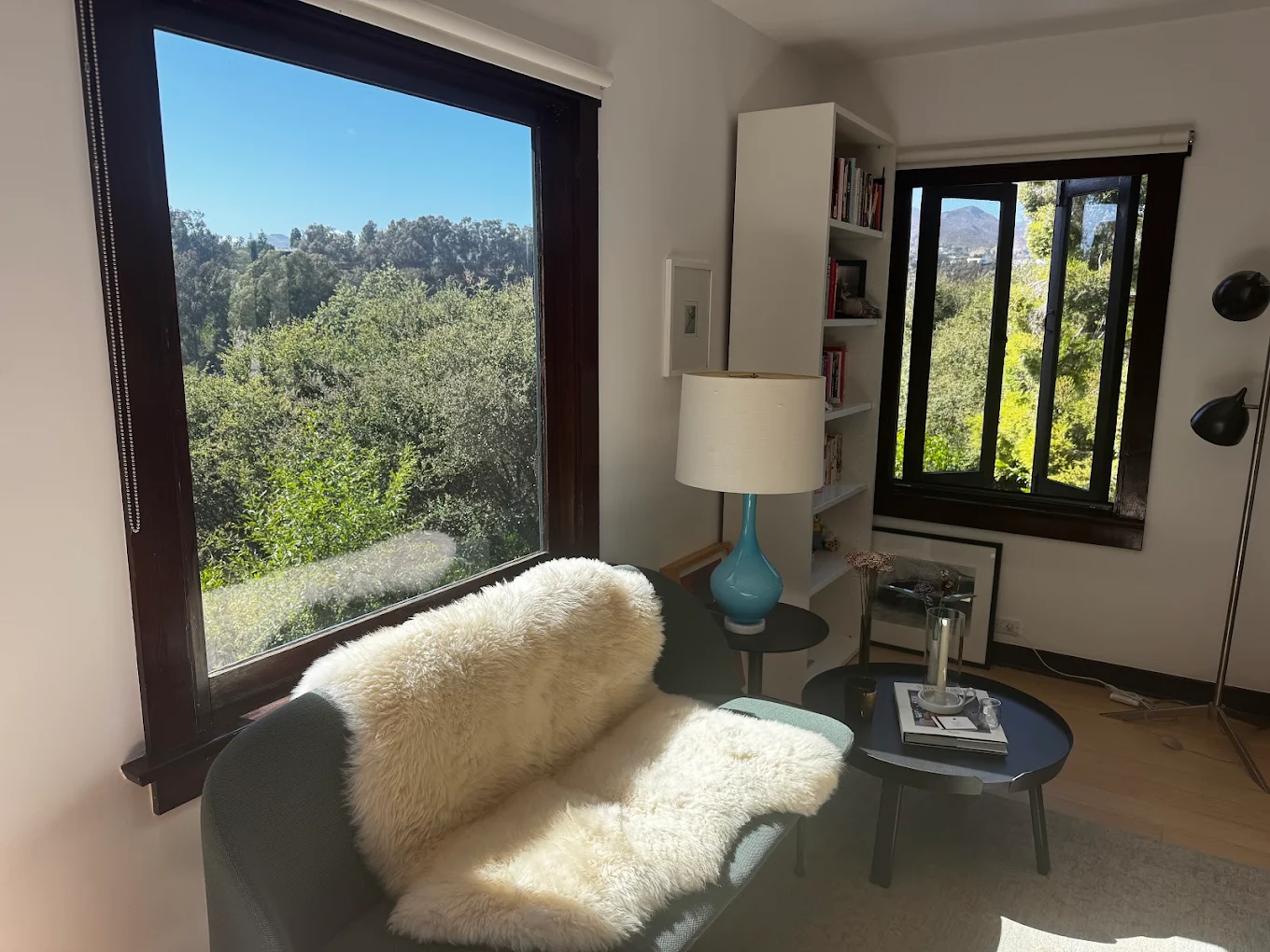
These are also the windows people least want to darken. Spectrally selective films are made for this case. They reject a large part of the infrared heat in sunlight while passing most of the visible light, so the scenery out the window looks the same and the room keeps its daylight. For glass that still feels too bright, a slightly darker or more reflective version adds glare control.
Choosing Between Reflective, Ceramic and Dual-Reflective Heat Film
Heat control film comes in a few families. Reflective films use a metallized layer and reject the most heat for the money, but they look mirrored from outside in daylight, which HOAs and historic districts may not allow. Ceramic and other spectrally selective films reject heat without the mirror look and stay clearer. Dual-reflective films are reflective outside and darker inside, which cuts the nighttime mirror effect.
There is no single best film. For a west bedroom in a Mandarin ranch house, a mid-range reflective product may be the right call. For a Springfield Victorian or an oceanfront condo, a near-clear ceramic film usually fits better. We show options on your glass so you can see the difference.
Heat Control Window Film on Insulated and Low-E Glass in Nocatee and St. Johns
Newer houses in the St. Johns and Nocatee areas usually have insulated low-E glass from the builder. Adding film to that glass is common, but the film must be approved for insulated units to avoid excess heat building up between the panes. We check the glass type, the size of each unit and whether it is in direct sun before choosing a product.
Older single-pane glass, common in Riverside, Avondale and many ranch houses, is simpler. It accepts a wider range of films and usually shows the biggest comfort improvement after installation.
- Check glass type and coating before choosing film
- Match film to insulated glass when required
- Consider shading, size and sun exposure of each pane
- Show samples on site in afternoon light
What Heat Control Film Does in Jacksonville Homes and Offices
Lower Afternoon Heat in Sunny Rooms
By rejecting a good share of incoming solar energy, heat control film keeps sunny rooms closer to the rest of the house. West bedrooms, Florida rooms and glass-walled dens become usable on summer afternoons again.
Reduced Solar Heat Load on the AC
Reducing solar heat at the glass lowers the cooling load on hot afternoons. The system cycles less often during peak hours, which matters on JEA bills and on long Jacksonville summers.
Near-Clear Window Film for River and Ocean Views
Spectrally selective heat film keeps glass close to clear, so river and ocean views stay sharp. Owners get cooler rooms without trading away the reason they bought the house or condo.
UV Fade Protection From the Same Film
Heat control films also block most ultraviolet light. Sun-struck flooring, area rugs and sofa fabric hold their color longer, which adds value to the film beyond comfort.
Jacksonville Questions About Heat Rejecting Window Film
Can you promise a specific temperature drop in my room?
No, and be wary of anyone who does. Results swing with the film, the glazing and how the room is exposed. Rooms with big west or water-facing glass change the most, but most owners notice the difference the first sunny afternoon.
Will heat control film make my windows look mirrored?
Only if you choose a reflective film. Ceramic films read as plain glass from the street, and they are usually the choice for historic districts, HOAs and condo towers.
Can heat control film crack my windows?
A pane rarely cracks from heat stress if the film carries the maker's approval for that glass. Large insulated units, tinted glass and partially shaded panes get extra review before we choose a product.
Does heat control film help in Jacksonville winters?
Winters here are mild, so the main benefit is summer heat rejection. Some films also have low-E properties that slow heat loss on cold nights, which can help on older single-pane windows.
Window film quote
Pricing Heat Control Film for a Jacksonville Room or Building
Name the room that bakes, say roughly when it is worst and which direction the glass points, and roughly how wide those windows are. The quote form routes it to an installer, who will phone or email you with the heat films that suit that particular room.