
Cooling cost film
Energy-Saving Window Film for Jacksonville Homes
In a Jacksonville summer, the air conditioner is the biggest thing on the electric bill, and the windows are where a lot of its work comes from. Energy-saving film reduces the solar heat entering through glass, so the system has less to remove.
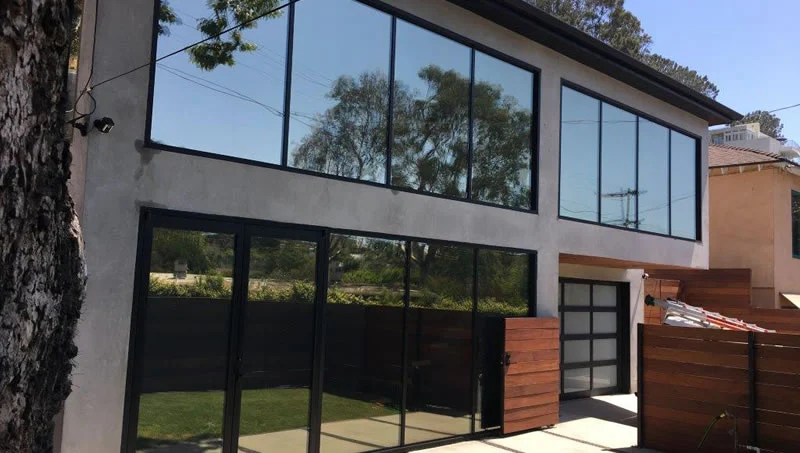 Jacksonville
How Windows Drive Cooling Costs in Jacksonville
Walls and attics are insulated. Glass is not, at least not against sunlight. A square foot of sunny window lets in far more heat than a square foot of insulated wall, and the average house carries a lot of glass on its sunny sides. In a climate where the cooling season runs from spring well into fall, that heat adds up month after month.
Humidity makes cooling here more expensive. Air conditioners in Northeast Florida spend part of every cycle pulling moisture out of the air. When solar heat through the glass adds to the load, runtimes stretch longer, and longer runtimes on hot afternoons are what drive summer bills higher.
Energy-Saving Window Film Versus Replacing Windows
Replacing windows is the most thorough way to upgrade glass, and new impact or low-E units can make sense when the old frames are failing anyway. But replacement is expensive and disruptive, and in the historic districts of Riverside, Avondale and Springfield it often runs into rules about original windows.
Film is a smaller step. It goes onto the existing glass in a day, costs a fraction of replacement, and targets the panes that cause the most heat gain. For a house with sound frames and single-pane or early dual-pane glass, common in the older neighborhoods on both sides of the river, film on the west and east windows is often the most cost-effective glass upgrade available. We will tell you honestly when replacement makes more sense.
Where Energy-Saving Film Makes the Biggest Difference
Not every window needs film. North glass gets little direct sun. Windows shaded by deep porches or dense live oaks get less. The biggest gains come from large unshaded west and east windows, sunrooms and Florida rooms, sliders onto patios, and anything facing open water where reflected light adds to the load.
We walk the house and rank the windows, then propose film on the ones that matter. A typical result is film on the back slider, the two west bedrooms and the Florida room, and nothing at all on the shaded front of the house. That keeps the investment focused, and it means the payback comes from windows that were actually costing you.
- Unshaded west and east windows
- Sunrooms and Florida rooms
- Sliding glass doors onto patios
- Glass facing the river, ocean or a pool
Low-E Film for Older Jacksonville Homes in Winter
Jacksonville winters are short, but a few cold snaps each year send overnight temperatures toward freezing. Older single-pane windows lose heat quickly on those nights. A low-E film carries a thin coating that bounces room heat back indoors, useful in winter while still rejecting solar heat in summer.
For most homes, summer savings are the main reason to install film. Low-E film is worth considering in older houses with lots of single-pane glass, where both seasons matter. Think of the 1960s and 1970s ranch houses in Mandarin and Arlington with original aluminum windows, or a Springfield foursquare with tall wood sash, where January drafts and August heat both come through the same panes.
What Energy-Saving Window Film Does in Jacksonville
Window Film That Cuts Solar Heat Gain
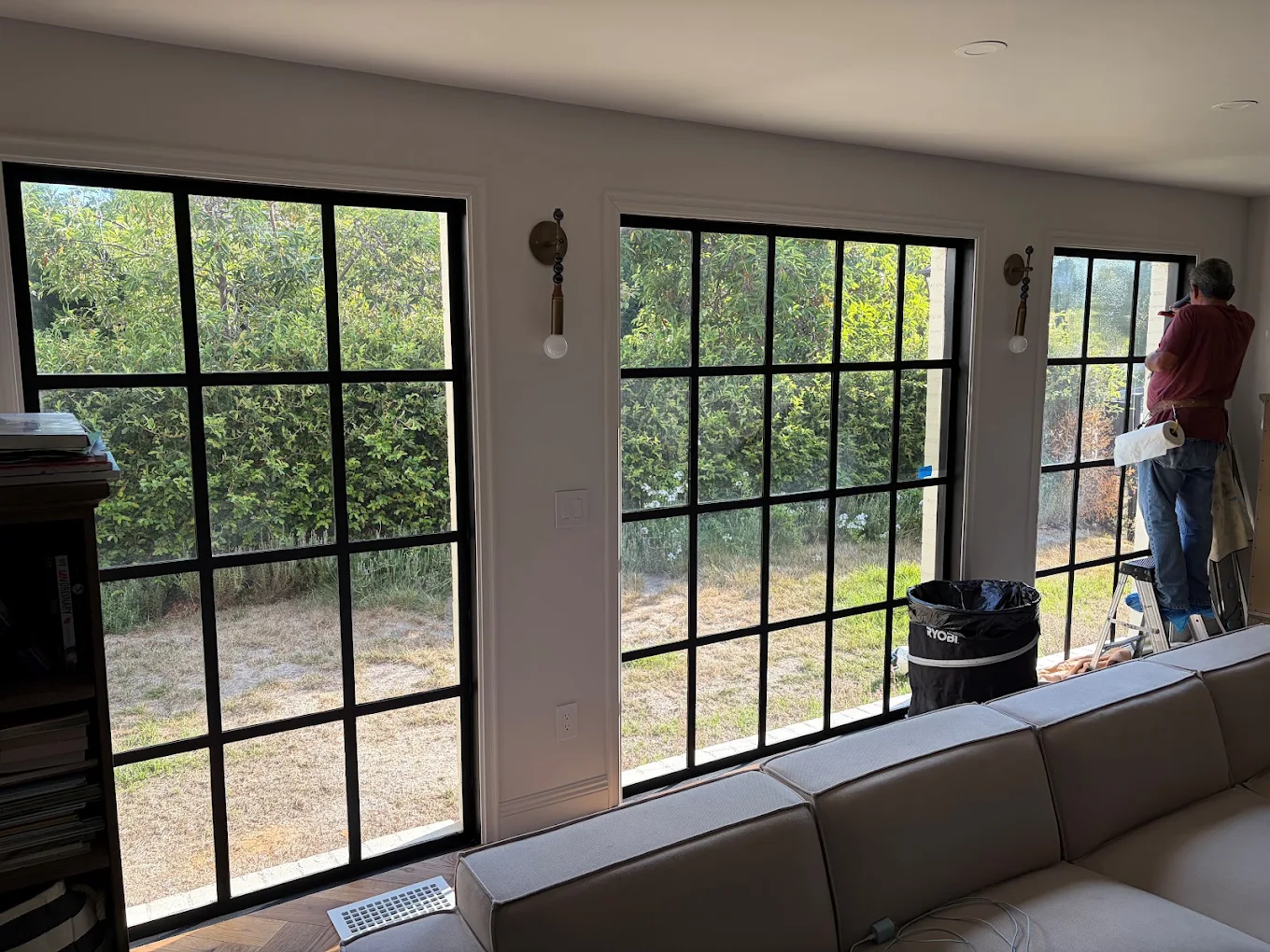
Sunlight striking treated glass delivers noticeably less heat to the room behind it. Less heat comes in, so the AC has less to remove on hot afternoons, especially through west and water-facing windows.
Shorter Cooling Runtimes With Energy Film
With less solar heat to fight, systems cycle less during peak hours. That reduces wear on equipment and helps keep summer bills in check through the long cooling season.
Energy Film at a Fraction of Replacement Cost
Film goes on existing glass in a day and costs far less than new windows. It is a practical upgrade for houses with sound frames and older glass.
More Even Home Temperatures After Window Film
Film evens out the hot spots that make one side of the house warmer than the other. Fewer complaints about the west bedroom and fewer thermostat battles.
Jacksonville Homeowner Questions on Energy Window Film
Will you guarantee a lower JEA bill?
No. Savings hinge on your house, the glass, its exposure and your thermostat habits, and anyone quoting a fixed figure is guessing. Homes with large unshaded west and east glass usually see the most benefit.
Is window film worth it if I already have low-E windows?
Sometimes. Builder-grade low-E glass already rejects some heat, so the gain is smaller. Film can still help in specific rooms that run hot, particularly with large west-facing glass.
Does energy-saving film darken my windows?
Not necessarily. The selective films we favor look almost untinted yet still turn back a solid share of the sun's heat. Going darker buys more rejection and costs daylight.
Will film help during a summer power outage?
It helps a little. A house with film on its sunny windows warms more slowly after the AC stops, buying some comfort while power is restored.
Do Jacksonville Beach homes on a different utility see the same benefit?
The physics do not change with the utility. Whether your power comes from JEA, a beaches utility or a provider in Clay or St. Johns County, less solar heat through the glass means less cooling work. Your rate structure decides how that shows up on the bill.
Window film quote
Energy-Saving Window Film Estimates for Jacksonville Houses
Start with the rooms that feel warmest by late afternoon and a rough size for each sunny window. A line on which way those walls face, entered in the quote form, is enough for us to suggest a film and price it.